
Understanding Energy Balance Fundamentals
Last updated: February 2026
What is Energy Balance?
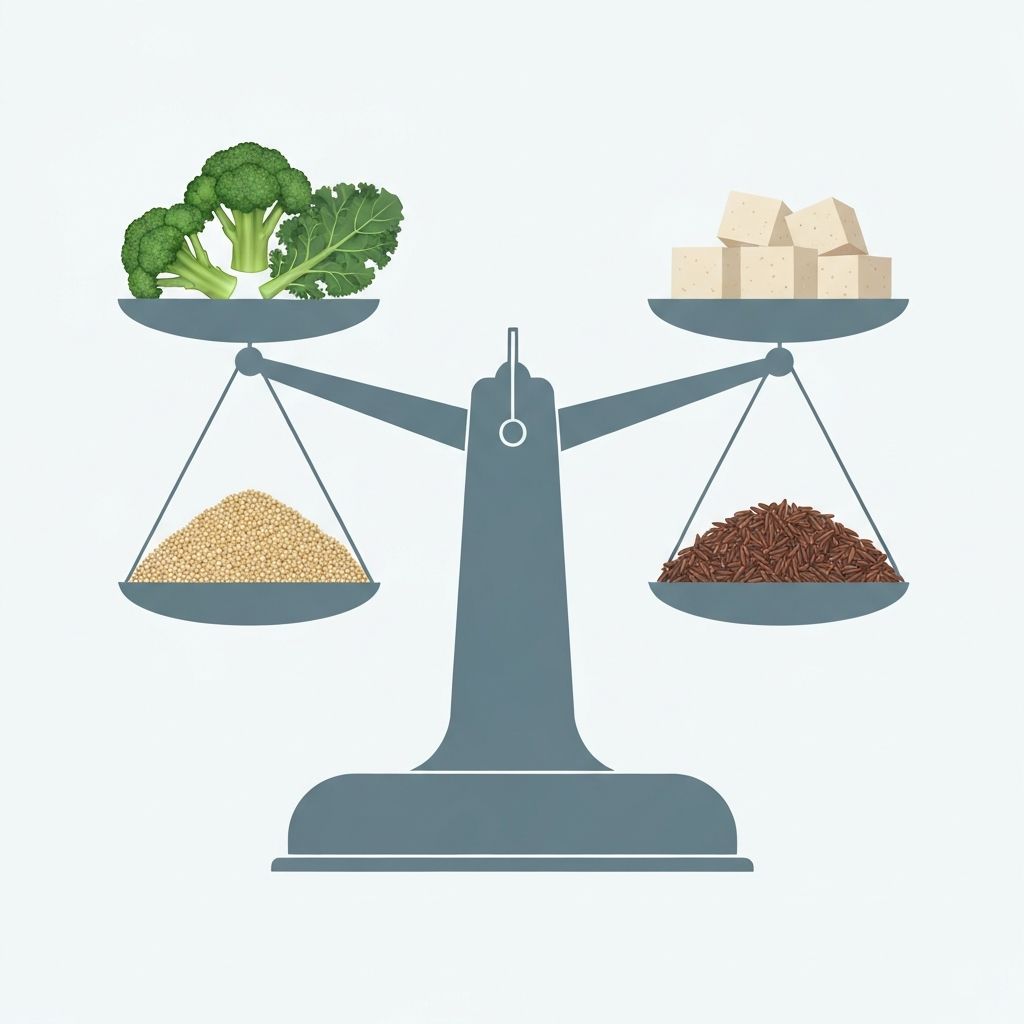
Energy balance is the fundamental principle governing body composition. At its most basic, energy balance represents the relationship between energy consumed through food and beverages, and energy expended through metabolism, physical activity, and the thermic effect of food digestion.
The Three Components of Energy Expenditure
Basal Metabolic Rate (BMR)
Your basal metabolic rate is the amount of energy your body expends at rest to maintain basic physiological functions: breathing, circulation, cell production, and nutrient processing. BMR varies between individuals based on body composition, age, sex, genetics, and health status. Larger bodies with more muscle tissue typically have higher BMR than smaller bodies or those with lower muscle mass.
Thermic Effect of Food (TEF)
Digestion requires energy. Different macronutrients require different amounts of energy to process. Protein typically requires more energy to digest than carbohydrates, which require more than fat. This accounts for approximately 10 percent of total daily energy expenditure in most individuals, though this varies with diet composition and meal frequency.
Activity Energy Expenditure (AEE)
Physical activity—from structured exercise to daily movement and occupational activities—represents a significant portion of daily energy expenditure. This component shows the most variability between individuals and can be modified through behavior.
The Concept of Caloric Surplus and Deficit
When energy intake exceeds energy expenditure, a caloric surplus exists. Excess energy is stored, primarily as body fat, though also as glycogen in muscles and liver. When energy expenditure exceeds energy intake, a caloric deficit exists. In a deficit, the body mobilizes stored energy through fat breakdown (lipolysis) and, under certain conditions, protein breakdown (catabolism).
Regulatory Mechanisms in Energy Balance
Hunger and Satiety Hormones
The body communicates energy status through multiple hormonal signals. Ghrelin, produced by the stomach, signals hunger and increases appetite. Leptin, produced by adipose tissue, signals energy sufficiency and suppresses appetite. Peptide YY (PYY) and glucagon-like peptide-1 (GLP-1) are released during and after eating and promote satiety.
Nutrient Sensing Pathways
The body contains sophisticated systems that detect macronutrient composition. Protein intake activates specific signalling cascades that promote satiety and activate thermogenesis. Carbohydrate quality influences blood glucose stability and subsequent hunger patterns. Dietary fat affects hormone production and nutrient absorption.
Individual Variation in Energy Balance
While energy balance principles are universal, individual responses to eating and activity vary considerably. Genetic factors influence metabolic rate, hunger sensitivity, and substrate utilization preferences. Health conditions, medications, hormonal status, sleep quality, stress levels, and microbiome composition all affect how individuals process and respond to dietary intake.
Long-Term Energy Regulation
The body appears to regulate energy intake and expenditure over longer time periods to maintain relatively stable body weight, a phenomenon called adaptive thermogenesis. When energy intake is restricted, metabolic rate may decrease and hunger may increase. Conversely, sustained overfeeding may increase energy expenditure through increased movement and metabolic rate elevation.